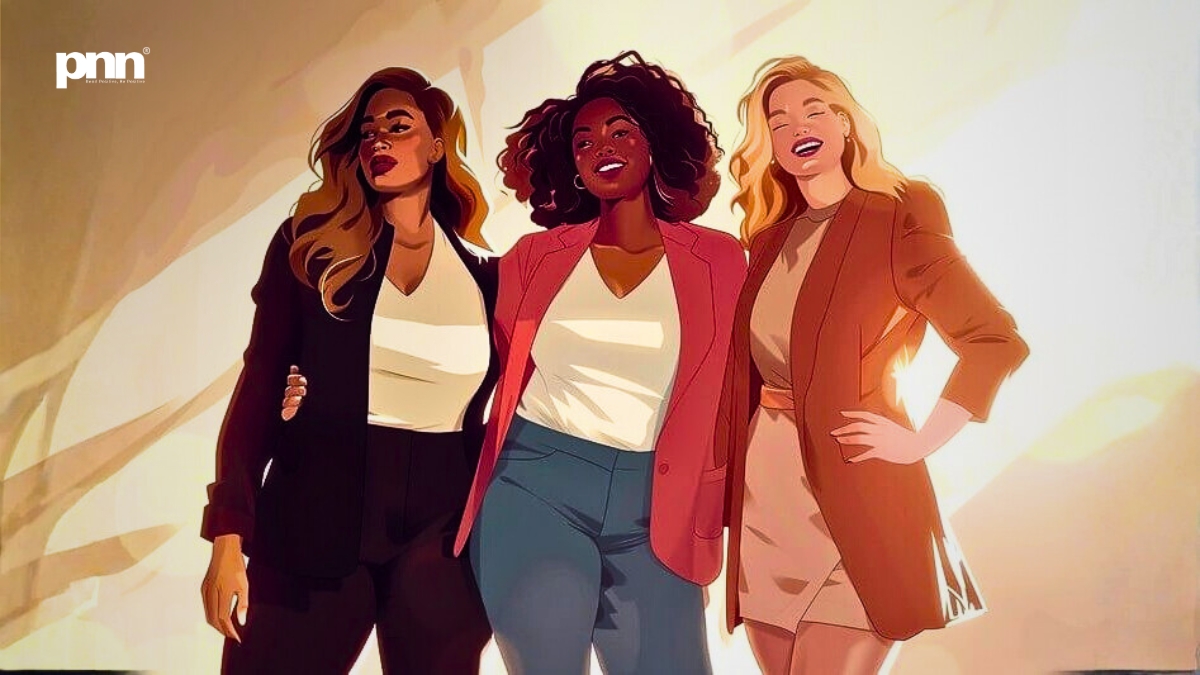
Mumbai (Maharashtra) [India], January 6: For decades, the beauty industry ran on a simple, ruthless algorithm: make people feel inadequate, then sell them the cure. Thin was aspirational. Curvy was conditional. Anything in between was conveniently invisible. If your body didn’t fit into a before-and-after narrative, it simply didn’t exist online.
Then something inconvenient happened.
The internet’s most engaged audiences stopped chasing extremes—and started listening to the middle.
In 2025 and bleeding decisively into 2026, a growing wave of midsize influencers has begun to rewrite the script on body image. Not with slogans screamed into ring lights, but with something far more dangerous to an industry built on insecurity: realism.
Why “Midsize” Isn’t A Trend—It’s A Correction
Midsize bodies were never rare. They were just strategically ignored.
Fashion and fitness culture long operated on binaries: thin enough to sell fantasy, or plus-size enough to sell “bravery.” The vast demographic between those poles—people who don’t look like runway samples but also don’t fit into extreme body narratives—was left without representation.
Midsize influencers aren’t introducing a new body type. They’re reintroducing the most common one.
And audiences, exhausted by visual lies disguised as inspiration, are responding with engagement that brands can’t ignore.
The Emotional Math Behind Their Rise
This shift isn’t aesthetic—it’s psychological.
Years of filtered perfection have created a fatigue that manifests as anxiety, disordered eating, and a constant sense of personal failure. Midsize creators are resonating because they offer something algorithms rarely optimise for: relief.
Their content doesn’t scream transformation.
It whispers recognition.
They post bodies that fluctuate. Clothes that fit differently week to week. Fitness routines that prioritise function over punishment. Food that exists without moral commentary. The subtext is clear: your body doesn’t need to audition for acceptance.
For many followers, that message lands harder than any “before-and-after” miracle ever did.
Brands Are Paying Attention—Carefully
From a PR perspective, midsize representation has become both an opportunity and a landmine.
Brands increasingly understand that aspirational marketing is losing emotional ROI. Campaigns featuring hyper-edited physiques now trigger scepticism instead of desire. Consumers want relatability—but not tokenism.
That’s where midsize influencers complicate things.
They’re relatable without fitting into the brand-safe extremes. They can’t be reduced to a “brave story” or a transformation arc. And that forces brands to confront a deeper truth: if your product only works for one body type, the problem isn’t the body.
Still, not all partnerships are equal. Some brands treat midsize creators as trend experiments rather than long-term collaborators—a move audiences spot immediately.
Authenticity, once faked, collapses loudly.
A Necessary Pushback Against Toxic Positivity
But let’s not romanticise this shift into a moral fairy tale.
Midsize influence comes with its own contradictions. As visibility increases, so does policing—comments dissecting bodies, debating whether someone is “midsize enough,” or accusing creators of capitalising on insecurity.
There’s also the risk of repackaging acceptance as another aesthetic standard. If midsize becomes the new “acceptable normal,” who gets excluded next?
True body neutrality doesn’t crown new ideals. It dismantles the obsession altogether.
Some creators acknowledge this tension openly. Others quietly fall into the same validation traps they once criticised. Visibility doesn’t immunise anyone from pressure—it amplifies it.
What The Numbers Quietly Confirm
Engagement metrics tell a story louder than trend reports.
Midsize creators are seeing:
-
Higher comment-to-like ratios
-
Longer watch times on unfiltered content
-
Stronger community interaction
-
More repeat brand trust
Meanwhile, overly polished fitness and diet content is experiencing diminishing engagement, especially among Gen Z and younger millennials who now associate perfection with deception.
Audiences aren’t rejecting beauty. They’re rejecting dishonesty.
The Fitness Industry Feels Uncomfortably Exposed
Perhaps no sector feels more threatened by this shift than fitness.
For years, “health” was sold through aesthetic outcomes. Visible abs equalled discipline. Weight loss equalled success. Everything else was framed as failure or lack of effort.
Midsize influencers complicate that logic by showcasing strong, capable bodies that don’t chase visual extremes. They train for stamina, mobility, mental clarity—and yes, sometimes joy.
This forces an uncomfortable reckoning: if health doesn’t always look a certain way, what exactly have we been selling all this time?
The Pros: A Healthier Relationship With Bodies And Content
There are real gains here:
-
Reduced pressure to conform to extreme ideals
-
More sustainable fitness narratives
-
Increased emotional well-being among followers
-
Broader fashion representation
-
A growing culture of body neutrality over body obsession
This shift doesn’t ask people to love their bodies every day. It asks them to stop waging war against them.
The Cons: Commercialisation Is Never Far Behind
Where attention goes, monetisation follows.
As midsize visibility grows, there’s a risk of the movement being diluted—turned into another category, another niche to exploit. Diet culture has a long history of rebranding itself with softer language.
“Wellness” once promised balance. It delivered obsession with better lighting.
The challenge ahead is ensuring that acceptance doesn’t become another performance metric—another standard people feel pressured to live up to.
Why This Moment Matters Culturally
This isn’t just about bodies on screens. It’s about who gets to exist without explanation.
Midsize influencers are quietly challenging the idea that bodies must justify their presence through transformation, productivity, or struggle narratives. Sometimes, a body just exists. And that, in a culture addicted to improvement, is radical.
The middle—so long ignored—is finally speaking. And it isn’t asking for permission.
What Comes Next
Expect this movement to mature rather than peak.
The future isn’t about replacing one beauty ideal with another. It’s about decentralising beauty altogether—allowing multiplicity without hierarchy.
Creators who survive this evolution will be those who resist becoming symbols and remain human. Brands that adapt will be those willing to sell confidence without control.
And audiences? They’ll keep choosing content that feels less like marketing—and more like breathing room.