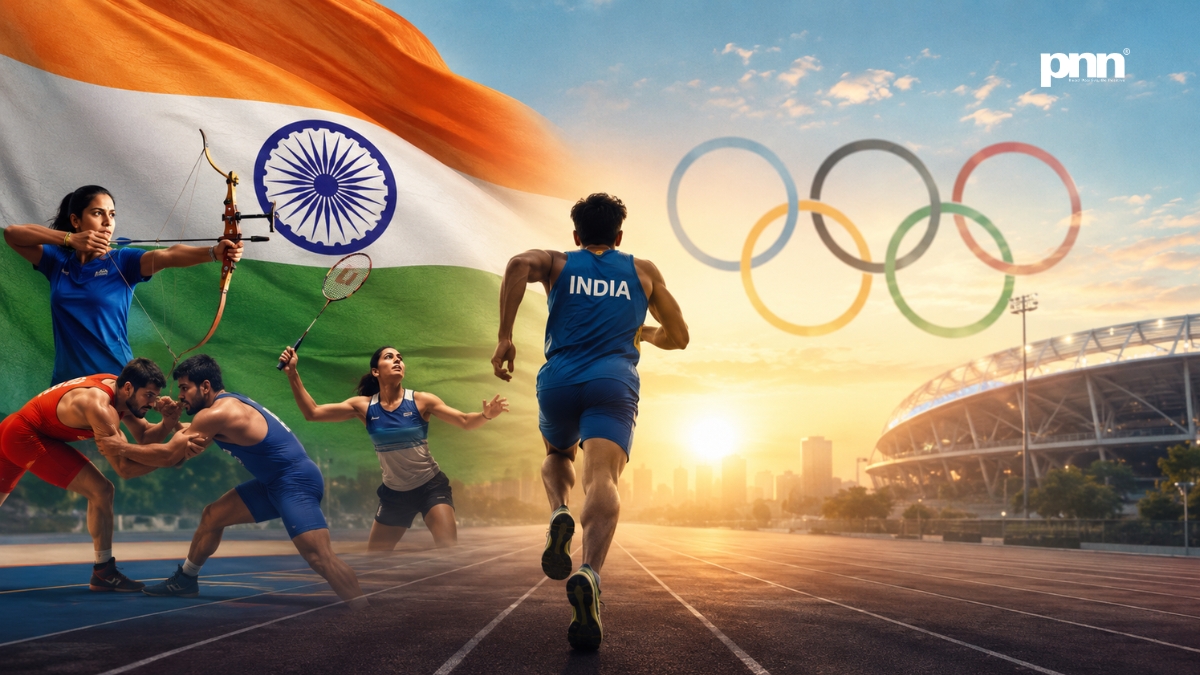
Mumbai (Maharashtra) [India], July 28: When Neeraj Chopra sent his javelin flying in Tokyo and took home gold, something clicked for Indian sports fans. It was more than just one medal—it felt like proof that the endless wait might finally be over. For years, India’s huge population watched the Olympics from a distance, rarely making much noise on the medal table. Now, five years after that golden moment, people are asking: can India turn these rare flashes of brilliance into steady Olympic success, or are we stuck chasing miracles every few years?
Talent Isn’t the Problem
India’s struggles at the Olympics have always seemed a bit odd. We crank out cricket stars without pause, light up chess boards, and send badminton players toe-to-toe with the world’s best. But at the Olympics—where cricket barely counts and badminton is just a small piece of the puzzle—raw talent doesn’t always translate into medals.
The real story’s pretty simple. For most of modern history, India ignored everything but cricket. Young athletes from small towns often faded out before even getting a shot at the big stage—there just wasn’t a clear path from village tournaments to international glory. Gifted shot-putters and wrestlers, especially from Haryana or Punjab, had the drive, but not the resources—no real coaching, nutrition, or exposure. So their chances fizzled.
What’s Different Now
But things are finally shifting—and it’s not just because of Chopra’s gold. The Target Olympic Podium Scheme (TOPS) started picking athletes with genuine medal potential, backing them with real support, foreign coaches, and world-class equipment, long before the Games even started. That made a big impact in Tokyo and Paris, boosting athletes across the board—from Chopra to shooters and wrestlers.
Then there’s Khelo India. It kicked off as a school talent program in 2017, but it’s grown into much more: annual competitions for all ages, from school kids to university students, even winter and beach games. Over 63,000 athletes got their moment on a national stage. Now, the new Khelo India Rising Talent Identification system uses standardized tests at centers all over the country to track down promising kids aged nine to eighteen. The scouting’s systematic these days, not just guesswork.
Money is flowing in, too. The sports ministry’s budget keeps climbing—₹4,479 crore for 2026-27. They’re also ramping up sports goods manufacturing, trying to win back ground there. And the vision? It’s bold—India wants to crack the top ten Olympic nations by 2036, top five by 2047, and maybe even host the Games.
Athletes Are Proving the Point
Plans are fine, but now India has actual results—more than ever. PV Sindhu’s back-to-back medals pushed badminton into the mainstream. Wrestlers like Bajrang Punia and the Phogat sisters kept the winning streak alive, showing wrestling medals weren’t just flukes. Shooters, after stumbling in Tokyo, bounced right back in Paris. And Neeraj Chopra? He didn’t fade away. He stayed at the top, kept lifting his game.
What’s really cool is how these athletes are coming from all over. Not just one state or social group anymore. Haryana’s wrestling hubs, Manipur’s boxing gyms, Odisha’s hockey fields, Kerala’s athletic tracks—talent’s popping up everywhere. That wider spread matters a lot. It means the pipeline is bigger, and not just limited to elite, big-city schools.
The Gaps Still Showing
But it’s not perfect yet. The India Open badminton tournament got slammed for lousy facilities earlier this year, so even big events can stumble. Beyond the headline sports, there aren’t enough good coaches; Pullela Gopichand’s task force called this the top obstacle. And those grassroots facilities—especially outside major cities—are way behind countries like China, Korea, or even smaller Olympic nations that got into this decades ago.
One hurdle that’s hard to ignore is cricket’s dominance. It steals most of the money, attention, and TV coverage. Not necessarily a bad thing, but Olympic sports end up fighting for scraps, even when the government boosts funding.
What’s Realistic?
So, can India become a global sports powerhouse? Honestly, it’s already happening, just slower and messier than the news makes it sound. We’ve had two straight Olympics showing real medal growth, plans stretching years ahead, and a wider talent pool than ever. China took thirty years to become a sports superpower. South Korea took almost as long.
India’s about ten years into its own journey, aiming for 2036 and beyond. If Tokyo sparked the change and Paris strengthened it, the real test is whether the next few Olympics can push things from rare medal wins to a lasting system. Right now, that shift feels real. The final step won’t come from just one superstar—it’ll happen when coaching, facilities, and opportunities finally match up with the ambition that’s taken root.